


Travel / Podróż
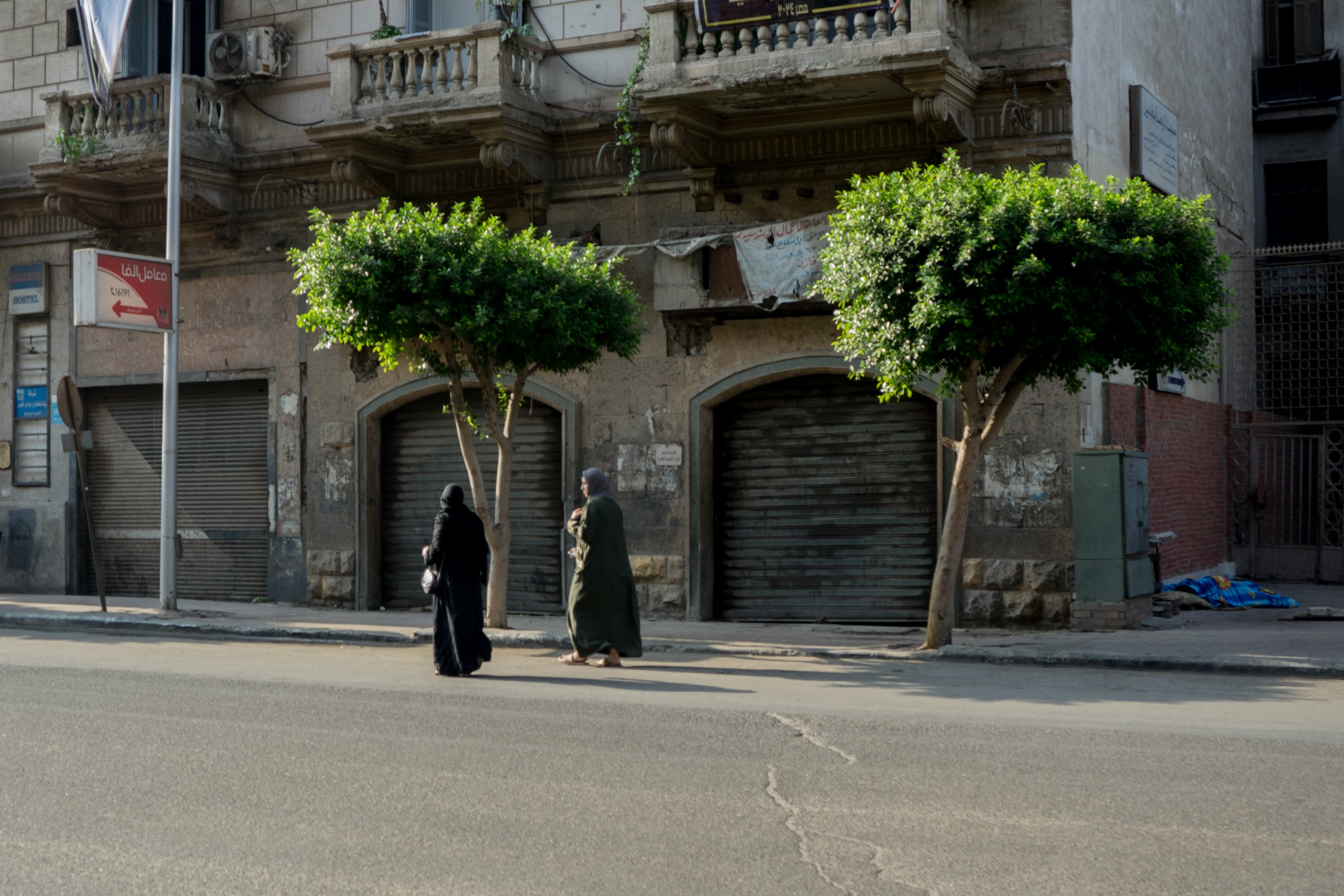
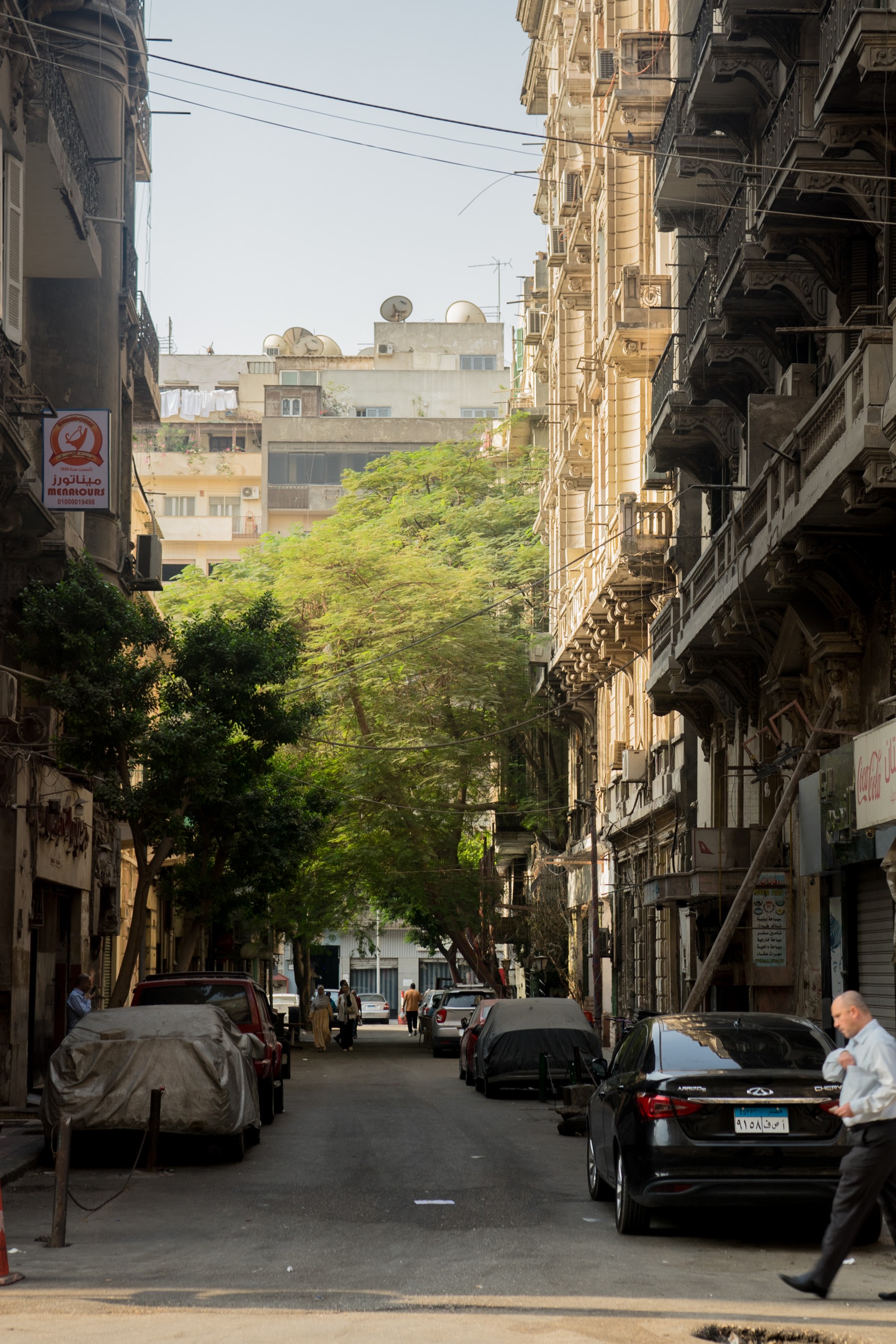
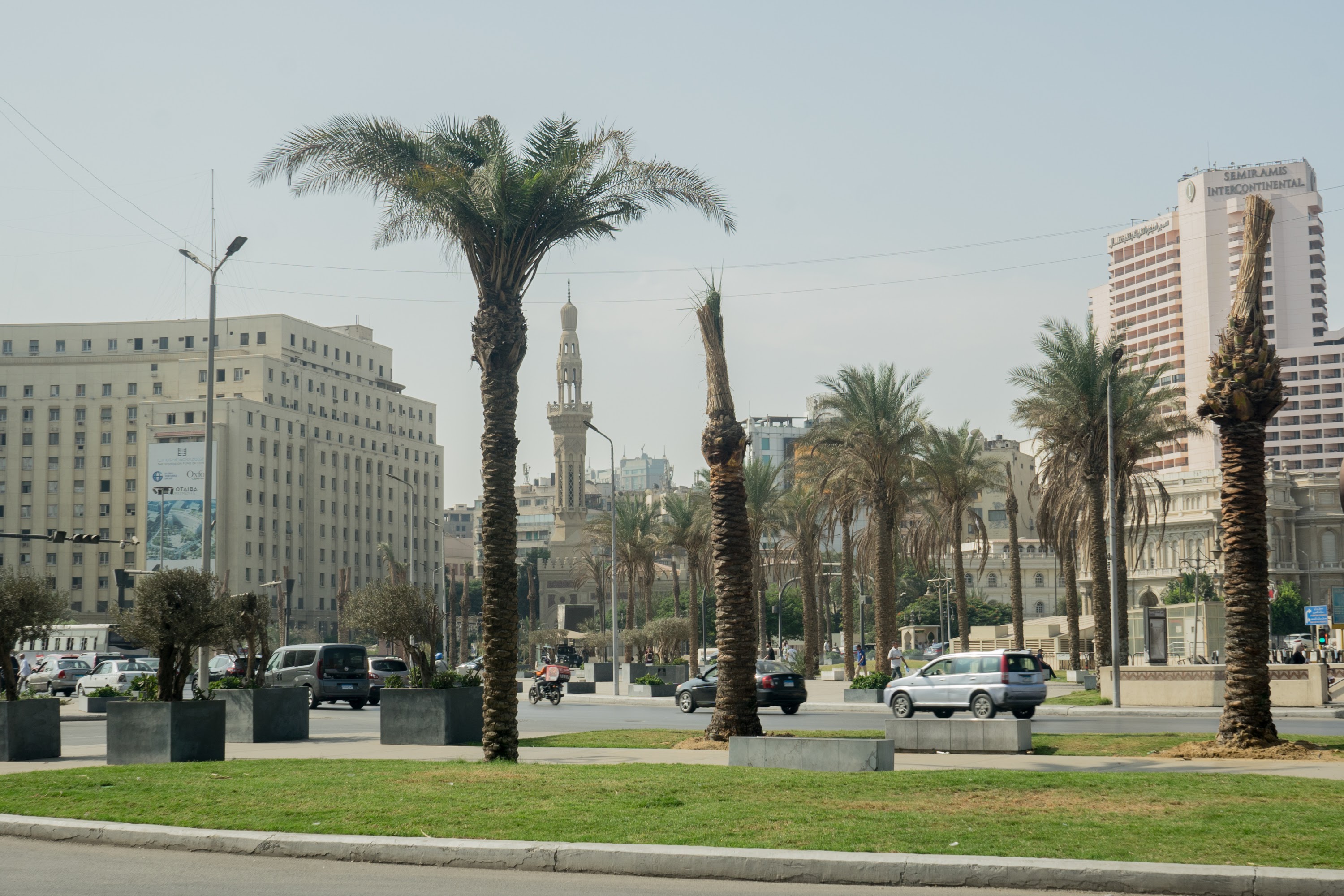
Cairo – because this is where our story is set – was our dream from the moment we decided to travel to Egypt. And we went there, despite attempts to discourage us from visiting the city on our own. The day before, we bought GoBus bus tickets and booked a hostel in Cairo’s Tahrir Square.
The bus from Hurghada started at 3 am, and we were on site around 9 am.
After arriving the first time we marveled at the vastness and exoticism of this city, we decided to go see the pyramids. I will underline that we were sensitive to buying tickets only at the official window.
Kair – bo tutaj osadzona jest nasza historia, był naszym marzeniem od momentu, w którym zdecydowałyśmy się na podróż do Egiptu. I pojechałyśmy tam, pomimo prób zniechęcenia nas do odwiedzenia tego miasta na własną rękę. Dzień wcześniej zakupiłyśmy bilety na autobus linii GoBus i zarezerwowałyśmy hostel w Kairze przy placu Tahrir. Autobus z Hurgady ruszał o 3 nad ranem i na miejscu byłyśmy około 9 rano.
Po przybyciu i pierwszym zachłyśnięciu się ogromem i egzotyką tego miasta, postanowiłyśmy pojechać zobaczyć piramidy. I podkreślę, że byłyśmy wyczulone by kupować bilety tylko i wyłącznie w oficjalnym okienku.

Meeting with “Ahmed” / Spotkanie z “Ahmedem”
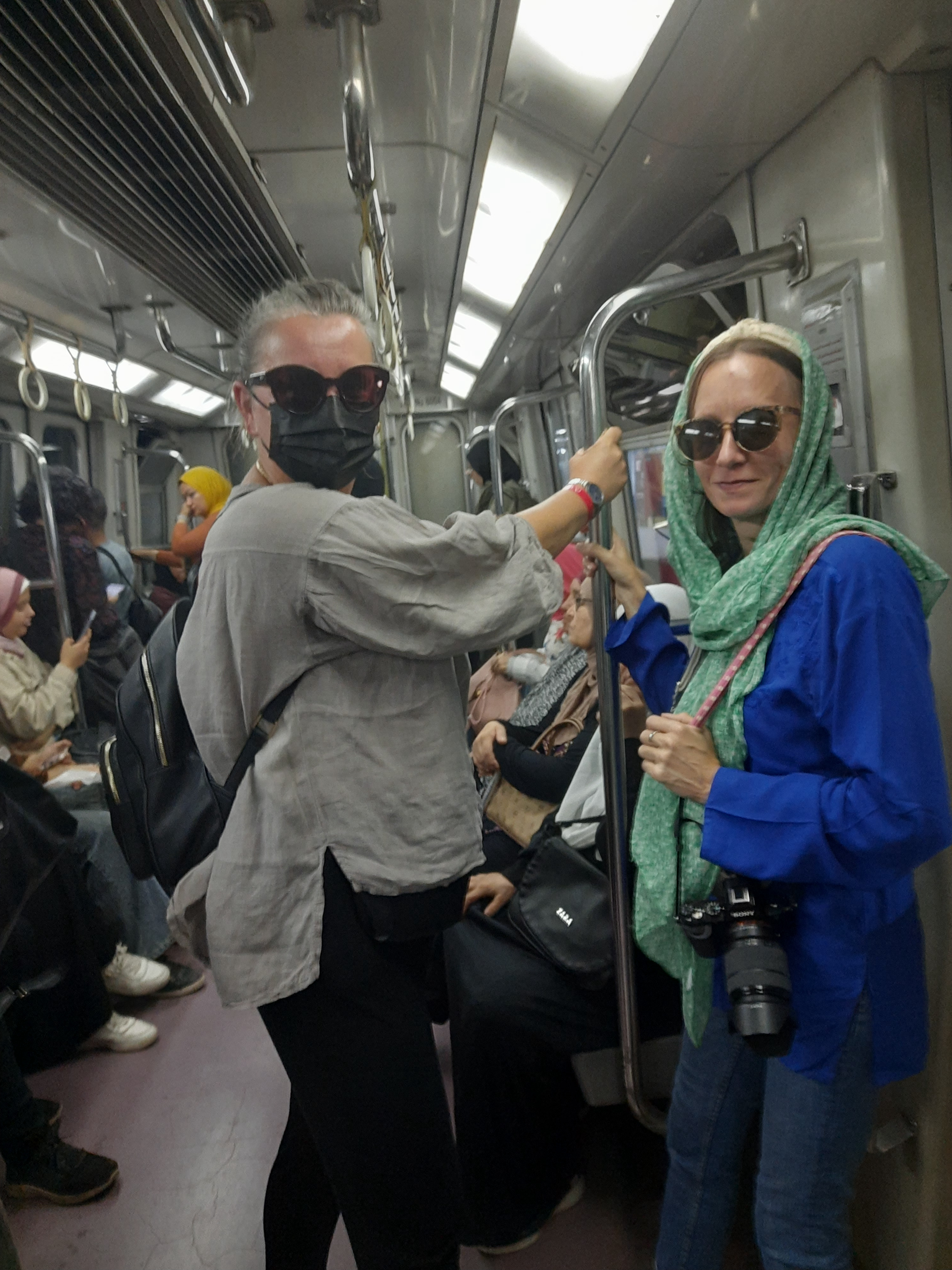
We went to the metro station at Tahrir Square and from there to Giza. Already in the metro, we encountered a rather peculiar situation. Upon seeing us, a local woman ostentatiously covered her nose, suggesting that we smelled. Admittedly, we weren’t at our freshest after the long journey from Hurghada. But, nevertheless, we didn’t smell bad. However, that wasn’t the worst thing that happened to us. Finally, we got off at the “Giza” station and looked around for the direction to the pyramids. We initially went to the right, but a few people told us we were going the wrong way. A young man with his younger brother (around 12 years old) then approached us and said he was heading towards the pyramids and could show us the way. He mentioned that he was from Alexandria and, along with his younger brother, was going to Giza to show him the pyramids because he had never seen them. Grateful for his kindness, we went with him. Along the way, excitedly chatting with him, he suggested that we take a taxi and split the costs, making it more economical. Of course, we agreed. Interestingly, there were six of us in the car with the driver, and the little boy sat on his brother’s lap. During the journey, our companion Ahmed, as he introduced himself, presented us with a very interesting proposition for visiting the pyramids. Not in the crowded tourist areas but in a place for local people. We were thrilled with such an opportunity as we enjoy exploring non-touristy parts of the world. In the midst of conversations in the taxi, I casually remarked, “Girls, you know what we’re doing now is very risky; they could take us anywhere.” My words went unnoticed as we continued on, excited and enjoying the sights of Cairo. Ahmed further explained that we had to choose whether we wanted to explore the pyramids on horses or camels, which surprised us. We asked if it was possible to explore on foot, but he denied it, and we continued on.
Poszłyśmy na stację metra przy placu Tahrir i stamtąd już do Gizy. Już w metrze spotkała nas dość osobliwa sytuacja. Pewna lokalna kobieta na nasz widok zaczęła w ostentacyjny sposób zasłaniać nos, sugerując, że śmierdzimy. Owszem, nie byłyśmy najlepszej świeżości po długiej drodze z Hurgady. Ale bądź co bądź nie śmierdziałyśmy. Ale to nie była najgorsza rzecz jaka nas spotkała. Wysiadłyśmy w końcu na stacji “Giza” i rozglądałyśmy się w którą stronę do piramid. Poszłyśmy w prawo, jednak kilka osób powiedziało nam, że idziemy w złą stronę i pewien młody mężczyzna z około 12 letnim chłopcem powiedział nam, że on tez idzie w stronę piramid i może nam wskazać drogę. Powiedział też, że jest z Aleksandrii i razem z młodszym bratem jedzie do Gizy pokazać mu piramidy, bo ten ich nigdy nie widział. Ucieszone jego uprzejmością poszłyśmy z nim. Po drodze podekscytowane toczyłyśmy z nim rozmowę. Zaproponował, że weźmiemy taksówkę i podzielimy koszty i tak wyjdzie korzystniej. Oczywiście, że się zgodziłyśmy. Ciekawe jest to, że było nas z kierowcą 6 osób i mały chłopiec siedział u brata na kolanach. Już w drodze nasz kolega Ahmed; jak o sobie mówił, przedstawił nam bardzo interesującą propozycję zwiedzania piramid. Nie w miejscu gdzie zachodzą wszyscy turyści, a w miejscu dla lokalnych ludzi. Ależ byłyśmy uradowane z takiej możliwości, bo lubimy odkrywać świat nieturystyczny. W trakcie rozmów w tej taksówce rzuciłam mimochodem zdanie “Dziewczyny, wiecie, że to co robimy teraz jest bardzo ryzykowne, oni mogliby nas wywieźć wszędzie”. Moje słowa poszły w eter i nic z nimi nie zrobiłyśmy, jadąc dalej podekscytowane ciesząc oko widokami Kairu. Dalej nasz Ahmed wytłumaczył nam, że musimy wybrać czy chcemy zwiedzać piramidy na koniach czy wielbłądach. I to nas zdziwiło. Zapytałyśmy czy możliwe jest zwiedzanie pieszo. Zaprzeczył, a my szłyśmy w to dalej.
Camels, pyramids / Wielbłądy, piramidy
Upon arriving at the destination, our “companion” led us to some “office” and instructed the staff that we wanted to go on camels. In less than 15 minutes, we found ourselves on these camels (although we hadn’t planned it at all). Our surprise was immense when, already on top of the camels and surrounded by a cordoned-off area with 4-5 men, they informed us that this pleasure would cost $80 per person. At that moment, we realized it was quite, if not significantly, too much. We didn’t have that much cash on us, but the men made us aware that we could pay by card, so for the sake of peace, we paid. The men wished us a successful tour and mentioned they would be happy if, at the end, the guide they were leaving us with would also be happy. It was interesting that our “companion” Ahmed let his little brother go on the camel, while he stayed with the men involved in the business. One of us observed how they shared their earnings with him. That’s when we realized that we had been systematically deceived and manipulated. Nevertheless, we accepted it, paid up, and continued on the camels. It’s worth noting that we still didn’t have tickets. We followed our guide to some shady gate where there was no queue. They gave us tickets and instructed us to stamp and proceed. And so, the tour continued. We mounted our camels, feeling awkward yet amused by the entire situation, and set out to explore the pyramids. Our exclusive ticket granted us a two-hour adventure and access to the entire complex as well as several pyramids. However, we only explored one from the inside because we began to realize the gravity of our actions, and the desire to be in that place waned. Our guide served as our photographer, instructing us to pose with our camels, which obediently followed commands. Our first photo was captioned “three – four – laugh – SILLY GIRLS (TĘPE DZIDY – in polish),” and that was the only series of photos where we laughed at our own foolishness and naivety. The further journey for us became increasingly disheartening.
Po przyjechaniu na miejsce nasz “kolega” zaprowadził nas do jakiegoś “biura” i poinstruował obsługę, że chcemy jechać na wielbłądach. Nie minęło 15 minut i już siedziałyśmy na tychże wielbłądach (choć wcale tego nie planowałyśmy). I jakież było nasze zdziwienie gdy już na wierzchu wielbłąda otoczone kordonem 4-5 mężczyzn oznajmiono nam, że ta przyjemność to koszt 80 dolarów za głowę. I tu już nam zaświtało, że to trochę, a nawet dużo za dużo. Nie miałyśmy przy sobie tyle gotówki ale panowie uświadomili nas, że można zapłacić kartą i dla świętego spokoju zapłaciłyśmy. Panowie życzyli nam udanego zwiedzania i powiedzieli, że będą szczęśliwi jeśli na końcu przewodnik z którym nas zostawiają też będzie szczęśliwy. Ciekawe było też to, że nasz „kolega” Ahmed puścił swojego małego brata konno, a sam został z mężczyznami od interesu. A jedna z nas widziała jak dzielą się z nim zarobkiem. I wtedy zorientowałyśmy się, że zostałyśmy encyklopedycznie porobione, naciągnięte. No nic, ale powiedziałyśmy A, zapłaciłyśmy już, więc pojechałyśmy na tych wielbłądach. Zaznaczę, że nadal bez biletów, po które udałyśmy się z naszym przewodnikiem do jakiejś szemranej bramki, w której nie było kolejki. Dali nam bilety i poinstruowali, żeby odbić i przejść. Tak też zrobiłyśmy i tu wycieczka trwa dalej. Wsiadamy na nasze wielbłądy i złe na siebie, a zarazem rozbawione z całej sytuacji jedziemy zwiedzać piramidy. Nasz ekskluzywny bilet zapewniał nam dwugodzinną wyprawę i wstęp na cały teren kompleksu oraz do kilku piramid. Zobaczyłyśmy jednak tylko jedną od wewnątrz bo docierało do nas co zrobiłyśmy i odechciewało nam się być w tym miejscu. Nasz przewodnik służył nam jako fotograf, kazał ustawiać się do zdjęć z nami swoim wielbłądom, a one posłusznie wykonywały rozkazy. Nasze pierwsze zdjęcie było na hasło „trzy – czte – ry -TĘPE DZIDY” i to była jedyna seria zdjęć, w której śmiałyśmy się z własnej głupoty i naiwności. Dalsza droga dla nas była już coraz bardziej zniechęcająca.


Escape / Ucieczka
After visiting one pyramid where there was nothing, we agreed among ourselves that we were finishing the tour early and took the opportunity that Daria’s phone rang and we pretended that our friend who stayed at the hostel was unwell and we had to go back to her (just to add that no one was waiting for us at the hostel at all). We announced to our guide that we wanted to finish early because we had to go back. At first puzzled, he eventually drove us back to the exit gate and announced that we should pay him for his services. Then in Inga he awakened such layers of energy and anger that she briefly announced to him that no way, we will not pay him a single zloty. He angrily began to shout at us, but did not frighten us. Although I will admit that my adrenaline jumped in my veins and we wanted to leave the place as soon as possible. We looked for the exit gate, and there were two gates – one in front and one on the left, and we asked some guard at which gate we would order an uber to the center. And he didn’t speak English and directed us to the grandfather at the stall that he spoke English. So we asked him the same thing as the predecessor and he pointed us to the gate on the left, after which another grandfather sitting next to him showed us the gate opposite. They started arguing among themselves and in the end we chose the gate in front and from there, in order to leave the place as quickly as possible, we took a cab standing there.
Po zwiedzeniu jednej piramidy, w której nic nie było ustaliłyśmy między sobą, że kończymy wycieczkę wcześniej i skorzystałyśmy z okazji, że do Darii zadzwonił telefon i udałyśmy, że nasza koleżanka, która została w hostelu źle się czuje i musimy do niej wracać (dodam tylko, że wcale nikt na nas nie czekał w tym hostelu). Oznajmiłyśmy naszemu przewodnikowi, że chcemy skończyć wcześniej bo musimy wracać. Na początku zdziwiony ostatecznie odstawił nas pod bramę wyjazdową i oznajmił, że mamy mu zapłacić za jego usługi. Wtedy w Indze obudził takie pokłady energii i złości, że ta krótko oznajmiła mu, że nie ma mowy, nie zapłacimy mu ani złotówki. On zły zaczął na nas krzyczeć, ale nas nie wystraszył. Choć przyznam, że mi adrenalina podskoczyła w żyłach i chciałyśmy jak najszybciej opuścić to miejsce. Szukałyśmy bramy wyjściowej, a bramy były dwie – jedna na wprost, a druga po lewej i zapytałyśmy jakiegoś strażnika, przy której bramie zamówimy ubera do centrum. A ten nie mówił po angielsku i pokierował nas do dziadka przy straganie, że ten mówi po angielsku. Zapytałyśmy go zatem o to samo co poprzednika i wskazał nam bramę z lewej strony, po czym inny siedzący obok niego dziadek pokazał nam bramę na wprost. Zaczęli się kłócić między sobą i ostatecznie wybrałyśmy bramę na wprost a stamtąd, żeby jak najszybciej opuścić to miejsce wzięłyśmy stojącą tam taksówkę.
In a taxicab / W taksówce
The taxi driver offered a reasonable fare. With a sigh of relief, we returned to Tahrir Square. The driver was polite and asked if everything was okay. We said yes. We didn’t admit that we had been deceived. On the way, he asked us where we were from, what we were going to visit, how long we were staying, etc. Just ordinary small talk. Everything was fine until his phone rang, and he engaged in a very animated conversation in Arabic, in which the only English expression used was “3 girls.” We already knew they were talking about us. At that moment, fear overcame me, and various thoughts raced through my mind. We changed tactics. We told him the “whole” truth and announced that we were going to report this to the police, and our police friend had already been informed. The taxi driver agreed with us that people are different, not everyone is bad, and what happened to us wasn’t good. On the other hand, he didn’t really listen to what we were saying because he tried to persuade us to visit a museum, knowing that we were in a hurry to meet our friend who wasn’t feeling well and was waiting for us. The conversation was a bit like us stating our case and him stating his. We told him that we had a friend working in the Cairo police, and we were meeting him in the afternoon (which happened to be true). Fortunately, the taxi driver took us to the agreed-upon place, and to maintain appearances, we didn’t go straight to the hostel (just in case he wanted to follow us – yes, those were the thoughts we had in our heads at that time). Once our emotions subsided, I started searching the internet for similar stories and found out that we weren’t the first they had managed to manipulate.
Taksówkarz zaoferował sensowną kwotę. No i z lekkim „ufff” wracałyśmy na plac Tahrir. Kierowca był uprzejmy i pytał czy wszystko dobrze. Powiedziałyśmy, że tak. Nie przyznałyśmy się, ze zostałyśmy oszukane. Po drodze pytał nas skąd jesteśmy i co będziemy zwiedzać, na jak długo przyjechałyśmy itp. Zwyczajny small-talk. Wszystko było ok do momentu gdy nie zadzwonił telefon i on po arabsku toczył bardzo burzliwą rozmowę, w której padło jedyne angielskojęzyczne wyrażenie „3 girls”. Już wiedziałyśmy, że rozmawiają o nas. I w tym momencie obszedł mnie strach. W mojej głowie pojawiały się przeróżne myśli. Zmieniłyśmy taktykę. Powiedziałyśmy mu „całą” prawdę i oznajmiłyśmy, że jedziemy zgłosić to na policję i że nasz znajomy policjant też już został poinformowany. Nasz kierowca zgadzał się z nami, że ludzie są różni ale nie wszyscy są źli i że to co nas spotkało nie było dobre. Ale z drugiej strony nie słuchał tego co mówimy, bo próbował nas nakłonić na wizytę w muzeum, wiedząc już, że nam się spieszy na spotkanie z koleżanką, która źle się czuje i na nas czeka. Rozmowa była trochę na zasadzie my swoje, a on swoje. Opowiedziałyśmy mu, że mamy przyjaciela pracującego w Kairskiej policji i, że spotykamy się z nim po południu (co akurat było prawdą). Na całe nasze szczęście taksówkarz dowiózł nas w ustalone miejsce, a my dla zachowania pozorów nie poszłyśmy od razu do hostelu (na wypadek gdyby chciał nas śledzić – tak, takie miałyśmy myśli wtedy w głowach). Jak już emocje z nas zeszły to zaczęłam szukać w Internecie podobnych historii i okazało się, że nie byłyśmy pierwsze, które udało im się zmanipulować.
Moral of the story / Morał historii
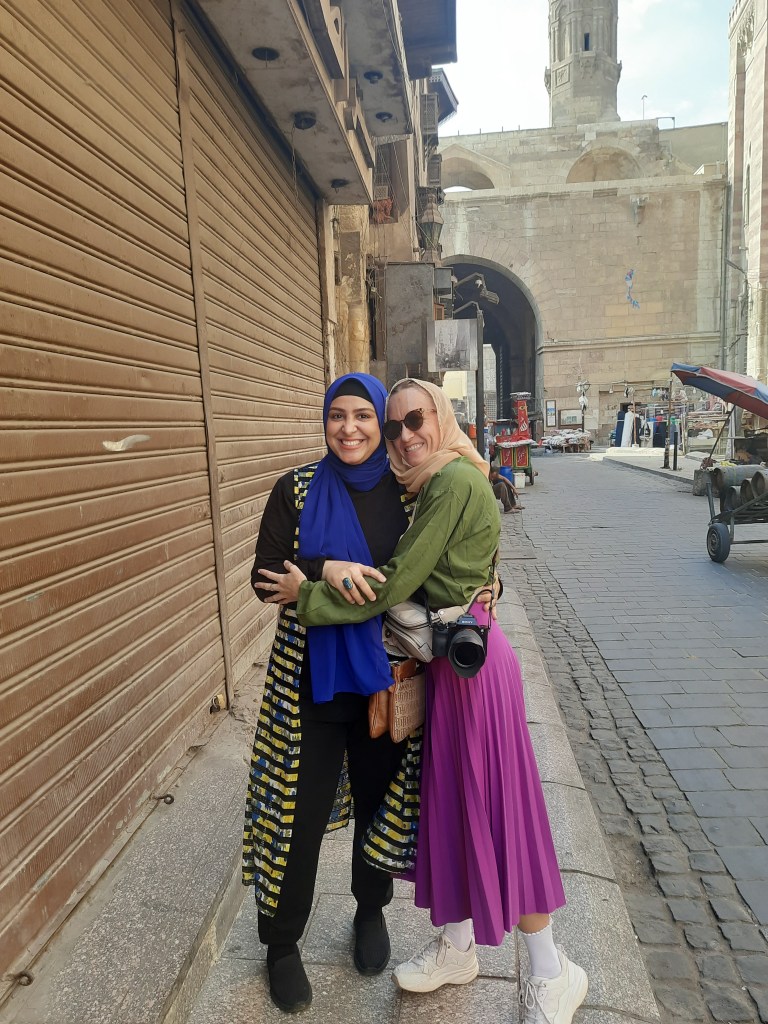
I must admit that the little boy inspired confidence in me and did not arouse suspicion. We were very disappointed in human behavior, preying on tourists, on their faith in people. Because yes – we were naive. I, however, would like to keep that trust in people, instead of being afraid of them. I will admit, however, that this incident was a big lesson for me, and in the future I will definitely be less trusting of people. It’s also not that all the people we met in Egypt were bad. We also met good people who, while not expecting anything from us, simply helped selflessly. And an example of this is the smiling lady who, without knowing our language, helped us find our way to the mosque.
The experience in Cairo taught us caution and a healthy skepticism about travel. Despite the bad experience, however, I believe that we should not generalize and lose trust in all people. It is worth maintaining a healthy balance between caution and openness to positive travel experiences.
Przyznam, że ten mały chłopiec wzbudził we mnie zaufanie i nie wzbudził podejrzeń. Byłyśmy bardzo rozczarowane ludzkim zachowaniem, żerowaniem na turystach, na ich wierze w ludzi. Bo tak – byłyśmy naiwne. Ja chciałabym jednak zachować w sobie tę ufność do ludzi, zamiast się ich bać. Przyznam jednak, że to zdarzenie było dla mnie dużą lekcją i w przyszłości na pewno będę mniej ufna w stosunku do ludzi. Nie jest też tak, że wszyscy napotkani w Egipcie ludzie byli źli. Spotkałyśmy też dobrych ludzi, którzy nieoczekując od nas niczego, po prostu bezinteresownie pomogli. A przykładem tego niech będzie ta uśmiechnięta pani, która bez znajomości naszego języka pomogła nam znaleźć drogę do meczetu.
Doświadczenie w Kairze nauczyło nas ostrożności i zdrowego sceptycyzmu w podróżach. Pomimo złego doświadczenia uważam jednak, że nie powinniśmy generalizować i tracić zaufania do wszystkich ludzi. Warto zachować zdrowy balans między ostrożnością a otwartością na pozytywne doświadczenia w podróży
„Travel isn’t always pretty. It isn’t always comfortable. Sometimes it hurts, it even breaks your heart. But that’s okay. The journey changes you; it should change you. It leaves marks on your memory, on your consciousness, on your heart, and on your body. You take something with you. Hopefully, you leave something good behind.” – Anthony Bourdain
Copyright © All rights reserved.

 Daria Świerblewska